
MBBS, MD, DNB
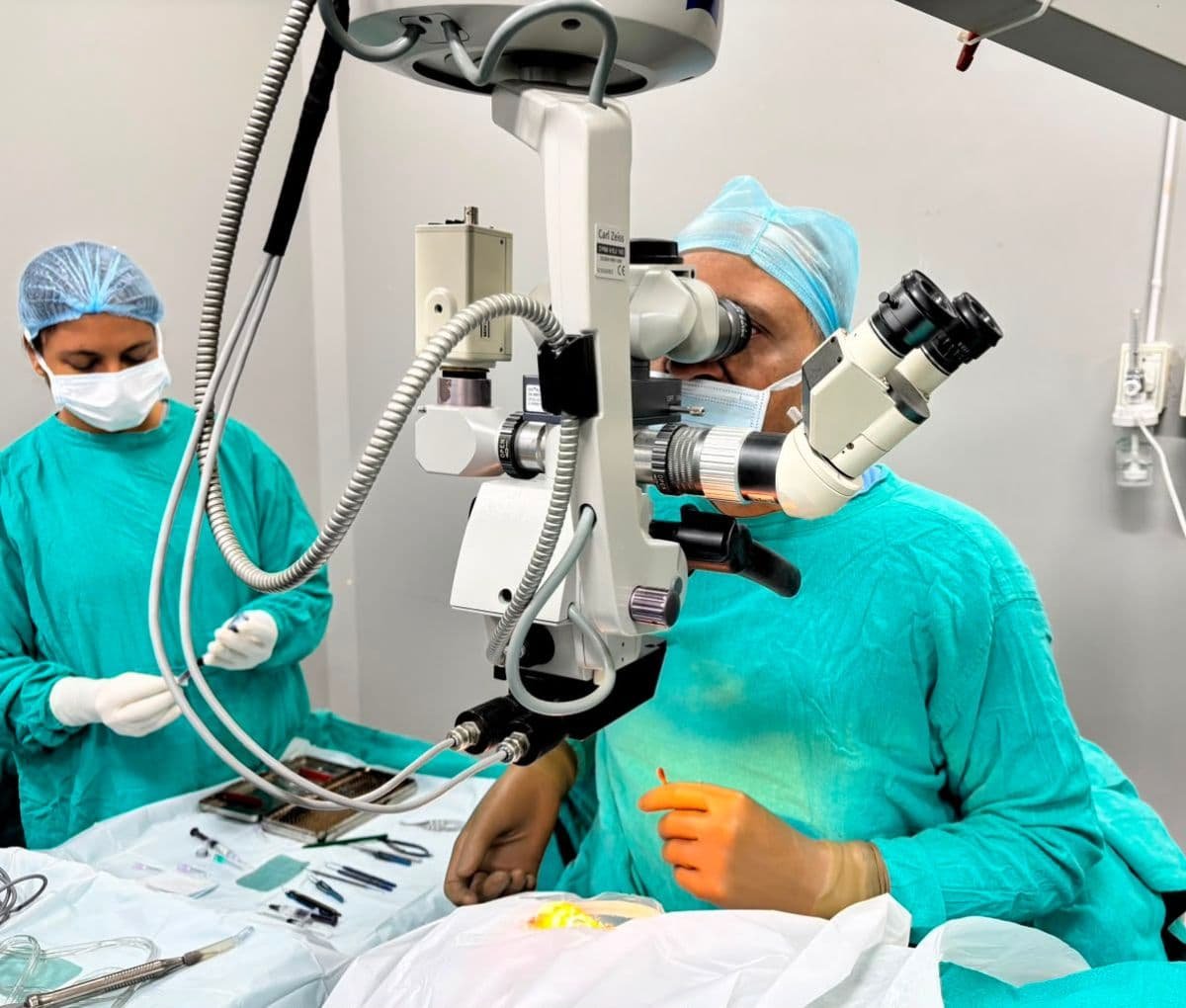
“How much does cataract surgery cost?” is the question we’re asked most often — and the honest answer is that it depends mostly on the lens you choose, not on the surgery itself. This page explains exactly what drives the price, so you can have an informed conversation rather than compare headline numbers that don’t mean the same thing.
The surgeon’s fee and hospital charges are usually a smaller share of the total than most people expect.
Monofocal — excellent, crisp vision at one distance; reading glasses for near work. The most economical option, and what most policies cover in full.
Toric — corrects astigmatism; costs more than monofocal.
Multifocal / EDOF — reduces dependence on glasses, at the highest price point. The trade-off is more glare and haloes at night, which some people — particularly night drivers — find genuinely bothersome.
This is worth stating plainly, because the industry doesn’t always say it. Premium lenses suit some people very well and others poorly. The best lens is the one matched to your eyes and daily life — not the one at the top of the price list. We’ll tell you which we think fits, and why.
Cataract surgery is generally covered by health insurance in India, and cashless treatment is available at Sama for eligible patients with empanelled insurers. Most policies cover the procedure with a standard monofocal lens; if you opt for a premium lens, you typically pay the difference. Many policies carry a specific cataract sub-limit — worth checking your policy document, or ask us to verify it before admission.
An accurate figure needs an examination — your eye measurements, the lens that suits you, and any other eye condition all affect it. We’d rather examine you, discuss the options honestly, and give you a firm all-inclusive package figure than quote a low headline number that changes later. See also our general cost estimate page.
Book an assessment with one of our eye surgeons and you’ll leave knowing your lens options and your total cost. Read more about cataract surgery and what it involves.
Mostly the lens you choose. Also one eye or both, surgical technique, room category, and any other eye conditions. Surgeon and hospital fees are a smaller share than most expect.
Generally yes, with cashless available for eligible patients. Most policies cover a standard monofocal lens; premium lenses usually mean paying the difference. Check for a cataract sub-limit.
Not necessarily. Premium lenses cut glasses dependence but can cause night glare and haloes. Monofocal gives excellent vision at one distance. The best lens suits your eyes and life, not your budget’s ceiling.
An accurate figure needs an examination — your measurements, suitable lens, and any other eye conditions. We prefer a firm all-inclusive figure to a headline number that changes.
An all-inclusive package quoted once assessment is complete, so you know the total before surgery day. Anything unexpected is discussed with you first.
MBBS, MD, DNB
MBBS, MD, DNB

MBBS, MD