MBBS, MD

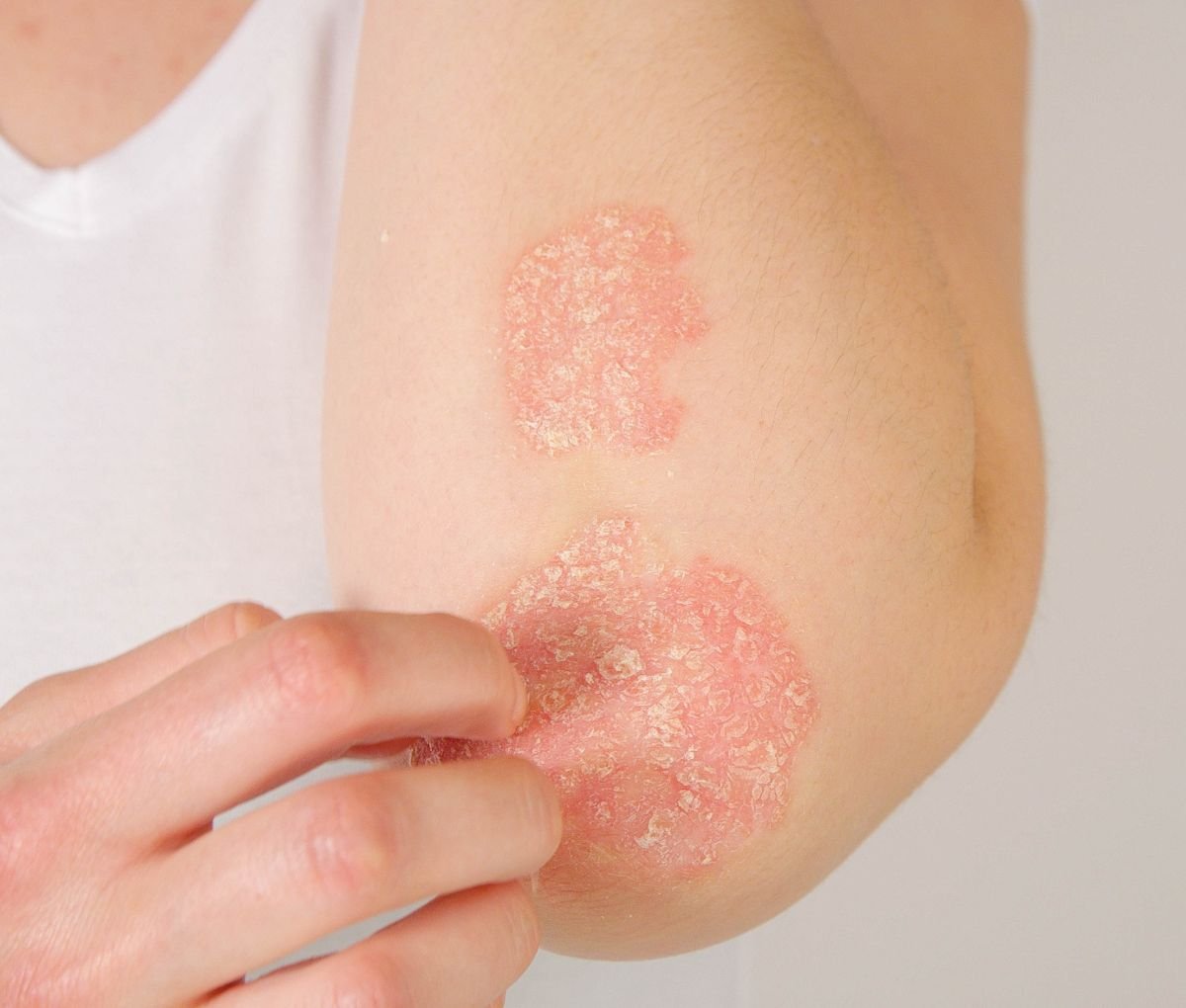
Psoriasis is a long-term condition in which the immune system drives skin cells to build up into raised red patches with silvery scale. It is not an infection and not contagious — worth saying plainly, because that worry causes real distress. It cannot yet be cured, but it can be controlled very well. At Sama Hospital’s dermatology unit in South Delhi, our aim is long stretches of clear or nearly clear skin.
There is no cure for psoriasis, and any clinic promising one is not being honest with you. What is true is more useful: with the right treatment most people achieve long periods of clear or nearly clear skin. Care aims at sustained control, adjusted over the years as your skin changes.
Treatment is matched to how much skin is involved and how much it affects your life:
Treatment is stepped up or down over time rather than fixed at the start.
Up to a third of people with psoriasis develop psoriatic arthritis, which causes joint pain and stiffness and can damage joints if untreated — so always mention joint symptoms. Psoriasis is also associated with higher risks of heart disease, diabetes and depression. Good dermatology care takes account of all of this, not just the patches.
Stress, throat infections, skin injury, smoking, heavy alcohol, cold dry weather and certain medicines can all set off a flare. Triggers are personal, so spotting your own pattern helps — it won’t replace treatment, but it reduces how often flares come.
Costs depend on the treatment your skin actually needs and how long it runs for. We explain this clearly at your first consultation. See our cost estimate page.
Doctor-owned, NABH-accredited, in South Delhi since 1982, with the dermatologists named on this page. Psoriasis is a long-term relationship, not a single appointment — and we’re honest about what treatment can and cannot do.
A long-term immune-driven condition causing raised red patches with silvery scale. It is not an infection and not contagious, and it tends to flare and settle.
No — and anyone promising a cure isn’t being straight with you. But it can be controlled very effectively, with most people achieving long periods of clear or nearly clear skin.
By severity: topicals for mild disease, phototherapy or tablets for more extensive disease, and biologics for severe or resistant psoriasis. Treatment is adjusted over time.
Yes. Up to a third develop psoriatic arthritis, so joint symptoms matter. It is also linked to higher risk of heart disease, diabetes and depression.
Stress, throat infections, skin injury, smoking, alcohol, cold dry weather and some medicines. Triggers are personal — knowing yours reduces flare frequency.
MBBS, MD