
M.B.B.S, M.S, M.Ch

An enlarged prostate is one of the commonest facts of ageing in men — and one that often needs no surgery at all. When the urinary symptoms it causes become troublesome, or medication stops controlling them, prostate surgery relieves the blockage, usually through the urethra with no external cut. At Sama Hospital — a NABH-accredited, doctor-owned hospital in South Delhi — it is done by keyhole (TURP) or laser techniques.
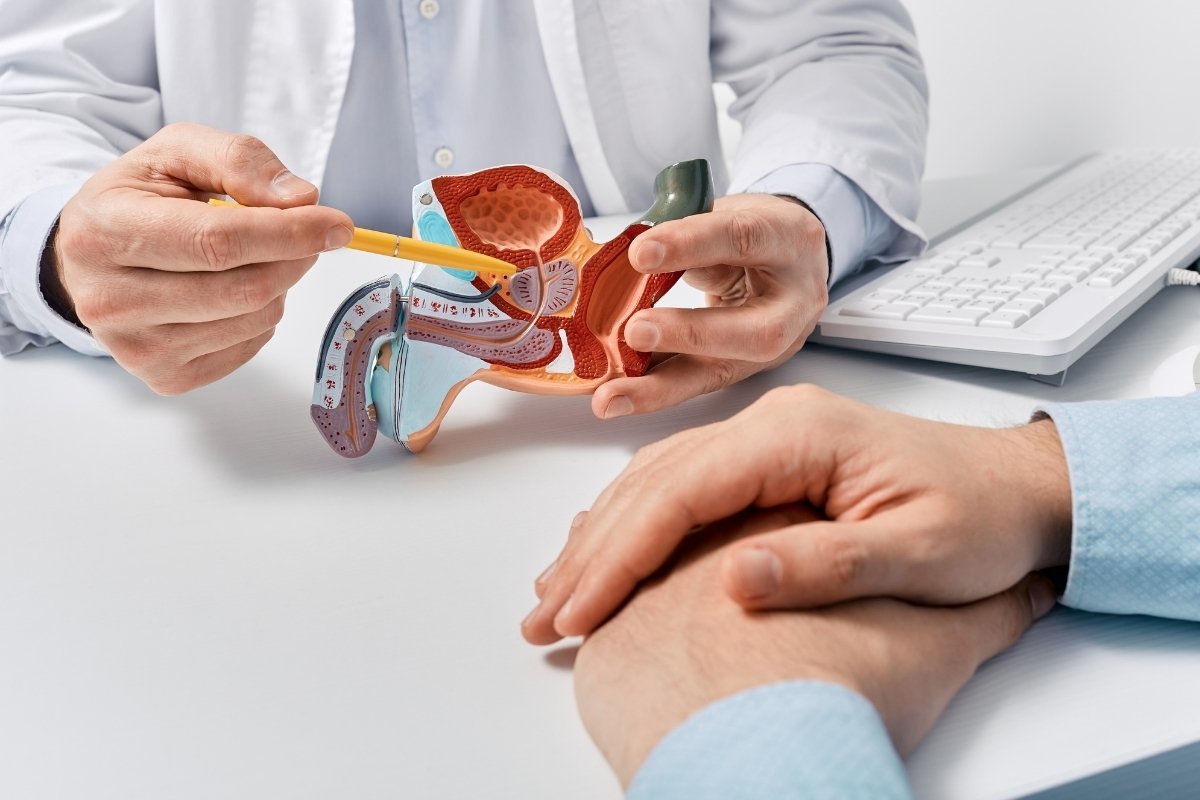
The prostate sits below the bladder and surrounds the urethra. As it enlarges with age, it squeezes the urethra and obstructs the flow of urine. This is benign prostatic hyperplasia — common, not cancer, and not a cause of cancer.
Most men with an enlarged prostate do not need an operation. Mild symptoms may need nothing more than reassurance and simple measures. Moderate symptoms are often well controlled with medication for years.
Surgery is for symptoms that remain troublesome despite medicines, for a man who cannot pass urine at all, or where the blockage has caused complications — repeated infections, bladder stones, or effects on the kidneys. We assess this properly, including a PSA test to check for cancer, before recommending anything.
The common operations remove or vaporise the obstructing prostate tissue through the urethra, with no external incision:
Only very large prostates occasionally need open surgery. A short catheter is usual for a day or two afterwards.
Prostate surgery for enlargement usually preserves erections. But a common and expected effect is retrograde ejaculation — semen passing back into the bladder instead of outward. It is harmless, but it affects fertility and the sensation of ejaculation, and you should know about it before surgery, not discover it afterwards. We will discuss it frankly.
Home within one to three days, once the catheter is out and you are passing urine well. Strenuous activity is avoided for a few weeks. Urinary flow improves noticeably over the first weeks as the area heals.
What moves the figure: the size of the prostate and the technique used (TURP or laser); anaesthesia; and length of stay.
We quote an all-inclusive package, confirmed after clinical assessment, with cashless treatment available for eligible insurance patients. See our cost estimate page.
Doctor-owned, NABH-accredited, in South Delhi since 1982. If your prostate symptoms are mild or well controlled on medication, that is what you will be advised — a doctor-owned hospital has no revenue target pushing you toward the theatre.
No. It is very common and often needs no treatment, or is well controlled with medication. Surgery is for troublesome symptoms despite medicines, inability to pass urine, or complications like infections or bladder stones.
No. Benign enlargement is not cancer and does not become cancer. They are separate, though they can coexist — which is why assessment includes a PSA test before treatment.
Usually not. TURP and laser surgery are done through the urethra with no external incision. Only very large prostates occasionally need open surgery.
Erections are usually preserved, but retrograde ejaculation (semen passing back into the bladder) is common and expected. It is harmless but affects fertility — and should be discussed before surgery.
Home within one to three days once the catheter is out. Strenuous activity avoided for a few weeks; flow improves over the first weeks.
M.B.B.S, M.S, M.Ch