
MBBS, MD

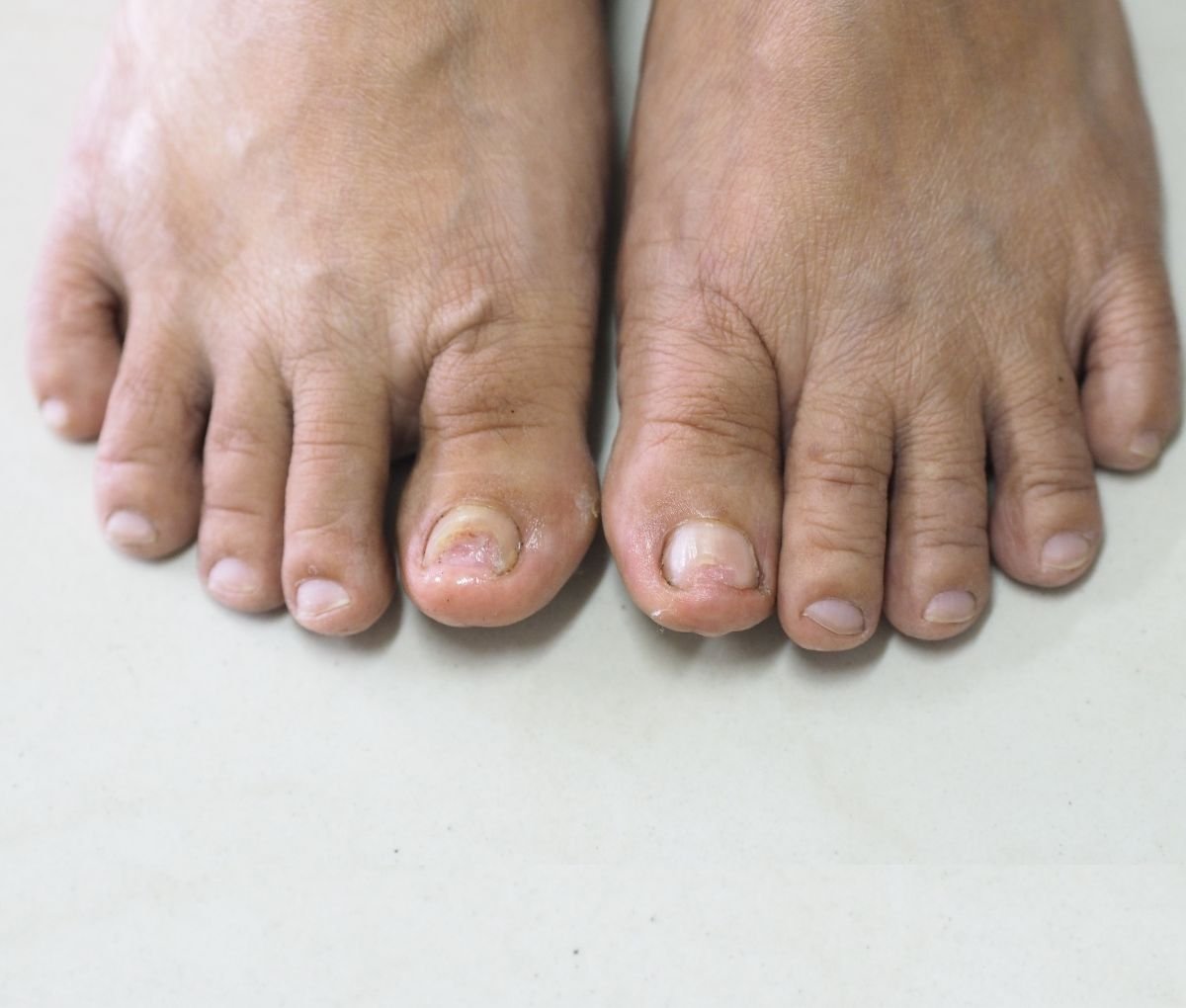
Thickened, discoloured, crumbling nails are usually blamed on fungus — and often that’s right. But not always, and that distinction matters, because antifungal treatment runs for months and is useless if the problem isn’t fungal. At Sama Hospital’s dermatology unit in South Delhi we confirm the diagnosis before committing you to a long course.
Psoriasis, repeated minor injury and other skin conditions can look almost identical. Rarely, a dark streak in a nail can indicate something serious that needs prompt attention rather than months of antifungal cream. This is exactly why we test first.
A simple nail clipping sent for testing confirms whether fungus is genuinely present. Without it, many people take antifungal medication for months with no possibility of benefit. A few days’ wait for a result is a good trade for that.
Fingernails typically need three to six months; toenails often nine to twelve. The medicine works as the nail grows out — it doesn’t clear the damaged nail already there. So the nail won’t look normal quickly even when treatment is working perfectly. Knowing this upfront prevents people abandoning treatment that was actually succeeding.
Topical treatments can work for mild infection at the tip of one or two nails. They penetrate the nail plate poorly, so they’re unreliable for thicker or more extensive infection — where several nails or the nail base are involved, oral treatment is usually needed. We’ll tell you honestly which category yours is in.
Recurrence is common if the conditions that caused it persist. Treat any associated athlete’s foot, keep feet dry, avoid shared footwear, disinfect or replace old shoes, and manage diabetes if relevant — alongside treatment, not after it.
Costs depend on whether testing is needed and how long the treatment course runs. We explain this clearly at your consultation. See our cost estimate page.
Doctor-owned, NABH-accredited, in South Delhi since 1982, with the dermatologists named on this page. We confirm before we treat — because months of unnecessary medication helps nobody.
No. Psoriasis, injury and other conditions look similar, and rarely a dark streak signals something serious. That’s why we confirm with a nail clipping test first.
Because oral antifungals run for months and are pointless if the problem isn’t fungal. Testing avoids months of medication with no chance of benefit.
Fingernails three to six months; toenails often nine to twelve. The medicine works as the nail grows out, so it won’t look normal quickly even when working.
For mild tip-only infection, sometimes. They penetrate poorly, so thicker or more extensive infection usually needs oral treatment.
Yes, commonly. Treat athlete’s foot, keep feet dry, avoid shared footwear, disinfect or replace old shoes, and manage diabetes if relevant.
MBBS, MD