Post-Stroke & Post-Neurosurgery Rehabilitation in Delhi
This page is for patients recovering after acute neurological events. If you are experiencing an acute stroke or neurological emergency, call 999 (ambulance) or go to the nearest tertiary care hospital’s emergency department immediately.
What We Offer
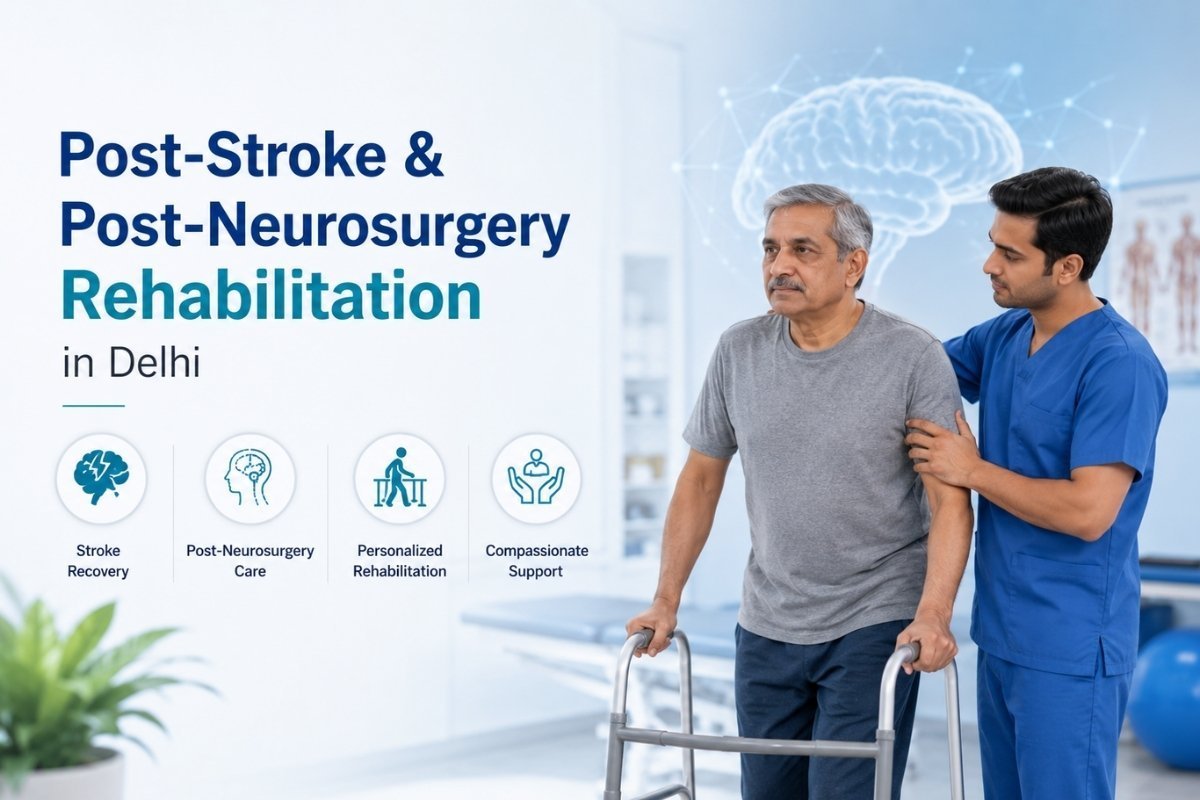
Sama Hospital cares for patients after the acute phase of their neurological illness is over. This is called post-acute neurological rehabilitation, or step-down care. We are not an acute stroke centre and do not perform neurosurgery. Instead, we specialise in the weeks and months of medical care and rehabilitation that follow a hospital discharge.
Sama is a NABH-accredited, doctor-owned secondary-care hospital in South Delhi, operating since 1982. We work closely with tertiary centres and your existing neurologist or neurosurgeon to provide continuity of care when patients need skilled medical supervision in a calmer, rehabilitation-focused setting.
Who This Care Is For
Post-acute neurological rehabilitation is suited for patients who have been discharged or are ready for discharge from a tertiary hospital following:
- Ischaemic or haemorrhagic stroke (after the acute phase)
- Brain or spinal surgery (neurosurgery)
- Traumatic brain injury
- Prolonged ICU stay with neurological complications
- Severe infections affecting the nervous system (encephalitis, meningitis) in the recovery phase
- Other conditions causing prolonged weakness, immobility, or rehabilitation needs
These patients often face weeks or months of recovery ahead. While the acute danger has passed, they need medical supervision, intensive rehabilitation, and family support to prevent complications and regain independence.
What Post-Acute Neurological Care Involves
Our team provides:
- Medical supervision — daily monitoring, medication management, and prevention of secondary complications
- Physiotherapy — regaining strength, mobility, and function
- Occupational therapy — retraining for activities of daily living
- Speech and swallow therapy — for patients with communication or swallowing difficulties after stroke or brain surgery
- Nutritional support — tailored to recovery needs, whether by mouth or through a feeding tube
- Complications prevention — including pressure sore care, prevention of blood clots and chest infections, management of catheter care and tracheostomy if needed
- Secondary stroke prevention — management of risk factors (blood pressure, cholesterol, diabetes) to reduce recurrence risk
- Psychological and family support — helping patients and families adjust to changes and plan for discharge home
Why the Step-Down Setting Matters
Tertiary hospitals are built for acute emergencies. ICU beds are needed for new stroke patients, trauma, and life-threatening conditions. Once the acute crisis is over, staying in an acute hospital is neither efficient nor ideal for recovery.
A dedicated step-down facility like Sama offers:
- Lower patient-to-staff ratios than acute hospitals, allowing more time for rehabilitation
- A calmer, less chaotic environment better suited to healing and learning
- Proximity to home and family, improving support and psychological well-being
- Focus on the patient’s individual rehabilitation goal rather than crisis management
- Cost-effectiveness — acute hospital beds reserved for patients who truly need them
The alternative — discharging patients straight home unsupported — often leads to preventable readmissions, slower recovery, and worse long-term outcomes.
Recovery — What to Realistically Expect
Neurological recovery is individual and often unpredictable. Most recovery happens in the first 3 to 6 months, but progress can continue for years. Some patients regain near-complete function; others experience lasting limitations.
Recovery depends on many factors:
- The location and size of the brain or spinal injury
- Age and overall health before the event
- How quickly treatment was given in the acute phase
- Intensity and consistency of rehabilitation
- Motivation and family support
- Presence of other medical conditions
We cannot promise full recovery. What we can do is provide skilled medical care, intensive rehabilitation, and an environment that maximises each patient’s potential. Honest, individualised conversations about realistic goals are part of our approach.
Working With Your Existing Doctor
We do not replace your neurologist or neurosurgeon. Instead, we coordinate care with them. Many patients continue to see their specialist during their stay with us, and we work closely to implement their recommendations while handling day-to-day medical supervision and rehabilitation.
We keep your primary doctor informed of progress and any concerns, and we support safe discharge planning when the time comes.
Cost of Post-Acute Neuro Rehabilitation
Cost varies depending on the level of care needed — whether the patient is mobile or bedbound, whether feeding or catheter care is required, and the intensity of therapy. We provide all-inclusive package pricing with no hidden charges.
Most major insurance companies cover post-acute rehabilitation when medically necessary. Sama Hospital is a network provider for most major TPAs and cashless insurance. We handle insurance authorisation and billing directly.
For an estimate tailored to your situation, please use our cost estimate tool or call us at +91 11 4311 1888 to speak with our patient services team.
Why Choose Sama Hospital
- NABH-accredited — independently verified standards for safety and quality
- Doctor-owned — managed by clinicians who understand patient care from the inside
- South Delhi location — at 8 Siri Fort Road, Sadiq Nagar, convenient for Delhi families
- 44 years of experience — serving Delhi since 1982
- Calm, dedicated setting — built for rehabilitation, not acute emergencies
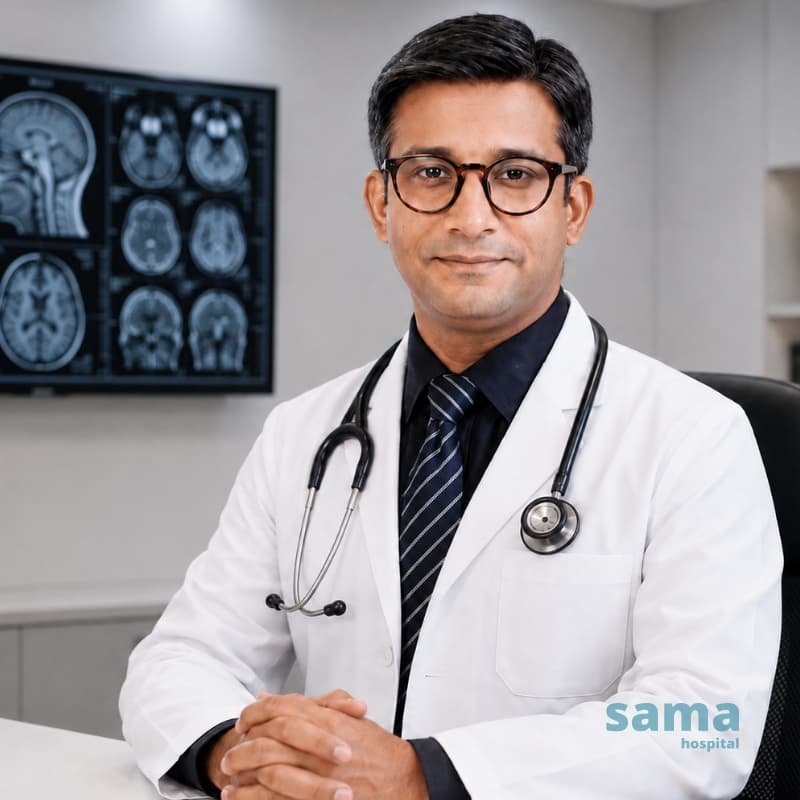
- Experienced neurologist and multidisciplinary team — Dr. Kadam Nagpal and our therapists specialise in post-acute care
- Family-focused — we involve families in planning and support their adjustment to changes
- Insurance expertise — hassle-free cashless billing with major TPAs
Frequently Asked Questions
Do you treat acute stroke?
No. Acute stroke is a medical emergency requiring immediate specialist intervention in a tertiary hospital. If someone is having signs of stroke (sudden weakness, speech difficulty, facial drooping, severe headache, or vision loss), call 999 or go to the emergency department of a tertiary centre. Once the acute phase is over and the patient is ready for discharge or step-down, we can provide ongoing medical care and rehabilitation.
Do you perform neurosurgery?
No. We do not perform brain or spinal surgery. However, we specialise in caring for patients after neurosurgery has been done elsewhere. Many patients come to us from Delhi’s tertiary neurosurgery centres to continue recovery and rehabilitation in a dedicated setting.
When should a patient move from a tertiary hospital to post-acute care?
This decision is made jointly by the tertiary hospital team, your neurologist, and the patient’s family. Generally, the patient should be medically stable (no need for ICU-level monitoring), but still require rehabilitation, medical supervision, and help with daily activities. Timing is individual; some patients are ready after a few days, others after weeks. Your doctor will advise.
How long does rehabilitation take?
This varies widely. Some patients see major progress in 4–8 weeks; others need 3–6 months or longer. The most rapid recovery usually happens in the first 3 months, but meaningful improvement can continue for years. We work with each patient to set realistic timelines and goals.
Will my relative recover fully?
That depends on the nature and severity of the neurological injury, and on many individual factors. We cannot promise full recovery. What we can promise is expert medical care, intensive therapy, family support, and honest communication about progress and realistic expectations. Some patients regain full independence; others improve significantly but with some lasting limitations. Every recovery is unique.