
MBBS, DNB
For anyone whose kidneys have failed and who needs regular haemodialysis, reliable access to the bloodstream is essential. An arterio-venous fistula (AVF) — a connection made between an artery and a vein, usually in the arm — is widely regarded as the best and safest long-term way to provide it. At Sama Hospital’s vascular unit — a NABH-accredited, doctor-owned hospital in South Delhi — our vascular surgeon creates and cares for dialysis fistulas.
A fistula uses your own vein, so it lasts longer and carries a much lower risk of infection and clotting than a dialysis catheter (a tube). For patients on long-term dialysis, that means fewer complications and more dependable treatment over the years. Catheters are generally used only as a temporary measure, or when a fistula isn’t possible.
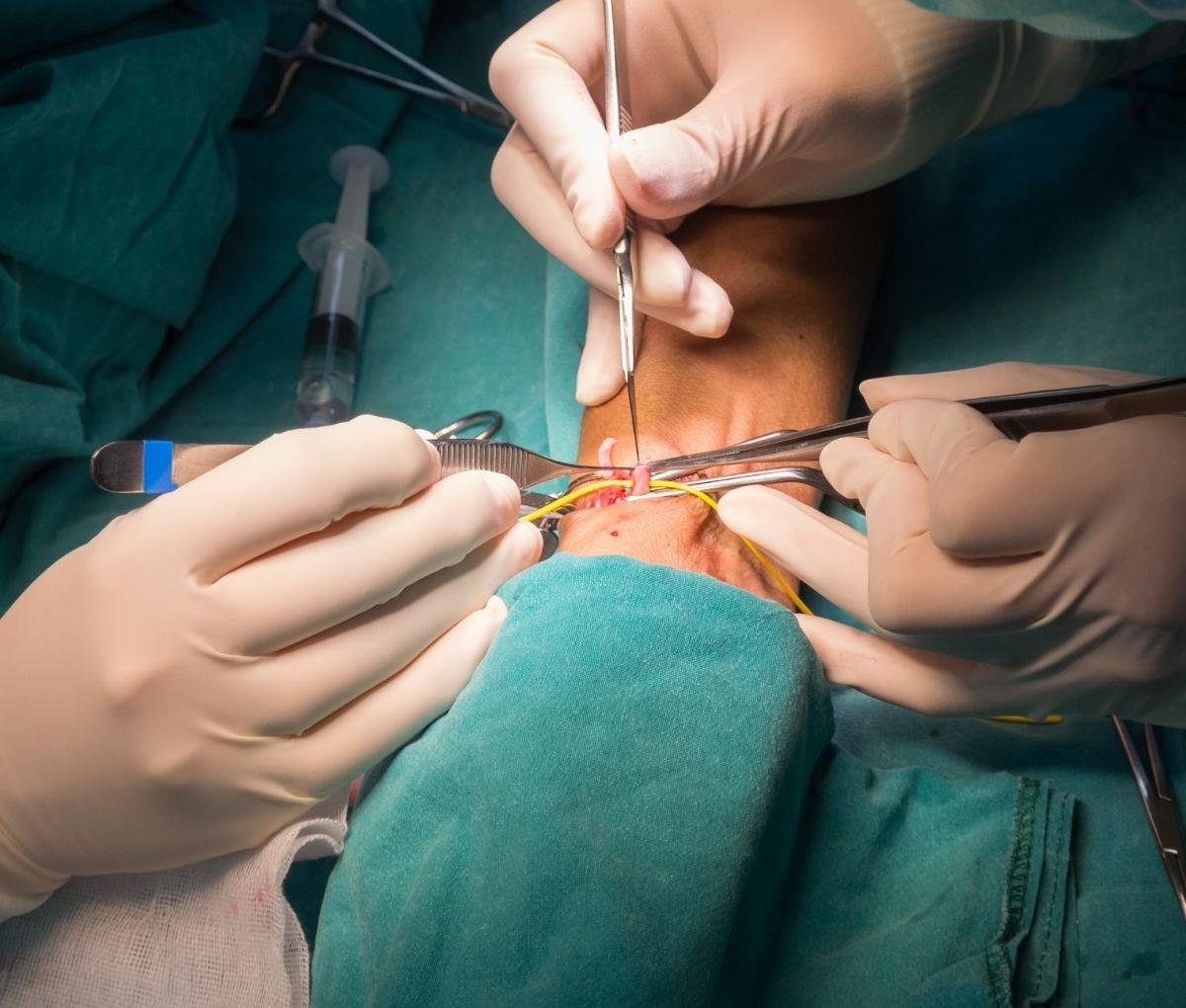
Creating a fistula is a small operation, usually done under local anaesthetic as day care, joining an artery and a vein — most often at the wrist or elbow. The extra blood flow then causes the vein to enlarge and its wall to thicken over several weeks, so it can withstand the repeated needling that dialysis requires.
A new fistula needs to mature — typically around six to eight weeks — before it is strong enough to use. This is why it’s best created well before dialysis is actually needed, rather than at the last minute. Planning ahead with your kidney doctor makes for a much smoother start to treatment.
What moves the figure: the type of fistula and whether it is day care or a short stay.
We quote an all-inclusive package once the plan is confirmed after assessment, with cashless treatment available for eligible insurance patients. See our cost estimate page.
Doctor-owned, NABH-accredited, in South Delhi since 1982, with a dedicated vascular surgeon named on this page. We create durable dialysis access and support you in caring for it — because a good fistula makes years of dialysis considerably easier.
A connection between an artery and a vein, usually in the arm, that creates strong, reliable access for haemodialysis. Anyone needing regular dialysis needs dependable bloodstream access, and a fistula is the best long-term option.
It uses your own vein, so it lasts longer and has a much lower risk of infection and clotting than a tube. Catheters are generally temporary or used only when a fistula isn’t possible.
A small operation, usually under local anaesthetic as day care, joining an artery and vein at the wrist or elbow. The vein then enlarges and thickens over weeks so it can take the needling dialysis needs.
It needs to mature, typically six to eight weeks, before it’s strong enough for dialysis. It’s best created well in advance rather than at the last minute.
Feel for the daily thrill to confirm it works, keep the arm clean, avoid tight clothing, BP cuffs, sleeping on it or heavy loads, and report any change in thrill, pain, redness or swelling promptly.
MBBS, DNB