
ACL & Meniscus Surgery in Delhi
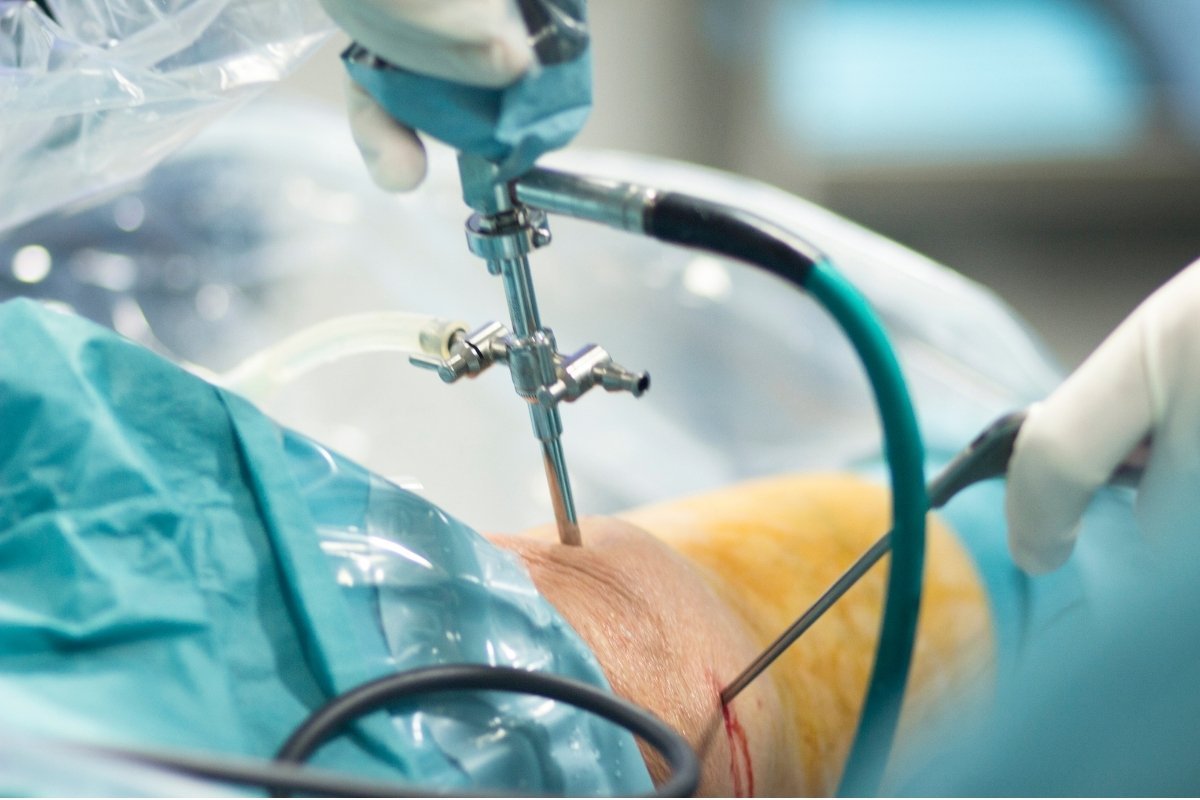
ACL and meniscus injuries are the classic sporting knee injuries — and both are treated at Sama by arthroscopic (keyhole) surgery: small incisions, day-care in most cases, and a return to sport that depends far more on your rehabilitation than on your operation.
Sama is a NABH-accredited, doctor-owned hospital in South Delhi with nine orthopaedic consultants, including a dedicated sports medicine interest.
The Two Injuries
ACL tear
The anterior cruciate ligament stops the knee shearing forwards and twisting out of control. It tears in a pivot — planting the foot and turning. There is often an audible pop, and the knee swells within hours. Afterwards, the knee gives way when you turn.
Meniscus tear
The menisci are two C-shaped cartilage pads that act as the knee’s shock absorbers. They tear in twisting injuries, and in older knees they can tear with almost nothing at all. A torn flap catches and locks the joint.
The two injuries frequently occur together, in the same twist.
Does Every Tear Need Surgery?
No — and this is where a lot of unnecessary knee surgery happens.
An older or less active patient whose knee is stable in daily life can often be managed with physiotherapy alone. A young footballer whose knee gives way every time he turns cannot. Surgery is for instability and for people who want to return to pivoting sport.
The MRI does not decide this. Your knee and your life decide it.
Repair the Meniscus, Don’t Just Remove It
This is worth understanding before you consent to anything.
Trimming out a torn meniscus relieves the symptoms quickly and the recovery is fast. It also significantly raises your risk of arthritis years later, because you have removed the shock absorber.
Wherever the tear pattern and blood supply allow it, we repair the meniscus instead. Recovery is slower — and the knee lasts longer. That trade-off is yours to know about, and you should be told it before surgery, not after.
The Surgery
Arthroscopic, through small incisions. The torn ACL is reconstructed with a graft — usually your own hamstring tendons. The meniscus is repaired or, where it cannot be, trimmed. Day-care or a single overnight stay for most patients.
Recovery — The Part That Actually Matters
- Weeks 0–6 — restoring full straightening and quadriceps control
- Months 3–4 — straight-line running
- Month 9 — return to pivoting sport
Going back early is the commonest reason grafts fail. The graft takes months to turn into living, load-bearing tissue, and it will feel fine long before it is ready. The operation is not the hard part. The rehabilitation is.
Cost of ACL & Meniscus Surgery in Delhi
What moves the figure: whether it is an ACL reconstruction, a meniscus procedure, or both together; the graft and fixation used; whether the meniscus is repaired or trimmed; and how much physiotherapy is included.
We quote an all-inclusive package, confirmed after clinical assessment, with cashless treatment available for eligible insurance patients. See our cost estimate page.
Why Choose Sama Hospital
Doctor-owned, NABH-accredited, in South Delhi since 1982, with nine orthopaedic consultants named on this page. The surgeon you meet is the surgeon who operates.
And if your knee does not need an operation, we will tell you so.
Frequently Asked Questions
Does every ACL tear need surgery?
No. A stable knee in a less active patient can often be managed with physiotherapy. Surgery is for knees that give way, and for people returning to pivoting sport.
Why repair the meniscus rather than remove it?
Because it is the knee’s shock absorber. Removing it helps quickly but raises the risk of arthritis years later. Where the tear allows, repair gives a slower recovery and a longer-lasting knee.
When can I play sport again?
Straight-line running at three to four months; pivoting sport at around nine. Returning early is the commonest cause of graft failure.
Is it keyhole surgery?
Yes — arthroscopic, through small incisions, usually day-care or one night.
What if I leave it?
If the knee stays stable, you may do well. If it keeps giving way, each episode can tear the meniscus and damage cartilage — which is what causes arthritis later.