


Total knee replacement surgery is advised when chronic knee pain, stiffness, and reduced mobility continue despite medicines, physiotherapy, and other non-surgical treatment options. In this procedure, damaged portions of the knee joint are resurfaced with artificial components to reduce pain and improve movement. For patients with advanced knee arthritis, knee joint replacement can help restore independence and quality of life. If you are exploring knee replacement surgery in Delhi, understanding the signs, procedure, and knee replacement recovery process can help you make an informed decision.
What Is Total Knee Replacement?

Total knee replacement, also known as knee joint replacement, is a surgical procedure in which the damaged surfaces of the knee joint are replaced with artificial components. These components are designed to restore smooth movement of the knee and reduce pain caused by joint damage.
The surgery does not replace the entire knee but resurfaces the affected areas of the joint where cartilage has worn away.
Common Reasons for Knee Replacement Surgery
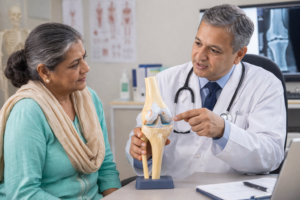
The most common reason for total knee replacement is advanced knee arthritis, particularly osteoarthritis. Over time, the protective cartilage in the knee joint wears down, leading to pain, stiffness, and reduced movement.
Other causes may include:
- Rheumatoid arthritis
- Post-traumatic arthritis after injury
- Severe knee deformity
- Long-standing knee damage affecting daily activities
Signs That Knee Replacement May Be Needed

Surgery is usually considered only after non-surgical treatments fail to provide relief. Some signs that knee replacement may be recommended include:
- Persistent knee pain even at rest
- Difficulty walking or standing for long periods
- Severe stiffness, especially in the morning
- Reduced knee movement
- Dependence on painkillers for daily functioning
- Poor response to physiotherapy and injections
A detailed evaluation by an orthopaedic specialist is essential before making this decision.
How Total Knee Replacement Surgery Is Performed
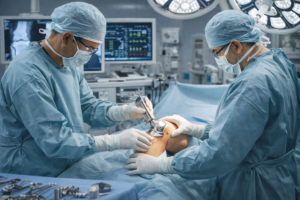
Before surgery, patients undergo medical evaluation and imaging studies to assess joint damage.
During the procedure:
- Damaged cartilage and bone surfaces are carefully removed
- Artificial joint surfaces are placed to restore alignment and movement
- The knee is checked for stability and range of motion
The surgery is performed under spinal or general anaesthesia, depending on the patient’s condition and medical advice.
Hospital Stay and Early Recovery

Most patients stay in the hospital for a few days after surgery. Pain management, wound care, and early mobilisation begin soon after the procedure.
Physiotherapy usually starts within a day to help restore movement and strengthen the muscles around the knee. Early movement plays an important role in recovery.
Recovery After Total Knee Replacement
Recovery varies from person to person and depends on factors such as age, overall health, and commitment to rehabilitation.
In general:
- Walking with support begins within a few days
- Most daily activities improve over 4 to 6 weeks
- Physiotherapy continues for several weeks
- Gradual improvement in strength and flexibility occurs over months
Following medical advice and physiotherapy plans is crucial for long-term results.
Life After Knee Replacement Surgery

Many patients experience significant relief from knee pain and improvement in mobility after recovery. Activities such as walking, climbing stairs, and routine household work often become easier.
However, high-impact activities and sudden strain on the knee are usually discouraged to protect the artificial joint.
Regular follow-up helps monitor progress and address any concerns early.
Possible Risks and Considerations
Like any major surgery, total knee replacement carries some risks, such as infection, blood clots, stiffness, or implant-related issues. These risks are carefully evaluated before surgery, and preventive measures are taken to reduce complications.
Discussing concerns openly with the treating doctor helps patients understand both benefits and limitations.
When Should You Consult an Orthopaedic Specialist?
You should seek medical advice if knee pain continues to interfere with daily life despite treatment, or if mobility is progressively worsening. Early evaluation helps explore all available options and prevents unnecessary delay in care.
Orthopaedic Care at Sama Hospital
At Sama Hospital, patients with chronic knee pain and advanced knee arthritis receive detailed evaluation, personalised treatment planning, and structured recovery support. Whether you need non-surgical knee arthritis treatment or are considering total knee replacement surgery in Delhi, timely orthopaedic consultation can help you choose the most appropriate path to pain relief and better mobility.
Book a consultation at Sama Hospital to understand whether knee replacement surgery is the right option for you.
FAQs
Total knee replacement surgery is a procedure in which damaged surfaces of the knee joint are replaced with artificial components to reduce pain and improve movement.
Knee replacement surgery may be needed for patients with severe knee arthritis, chronic pain, stiffness, and difficulty walking when non-surgical treatments no longer provide relief.
Yes, total knee replacement is a type of knee joint replacement procedure in which the damaged joint surfaces are resurfaced with artificial implants.
Knee replacement recovery varies from person to person, but many patients begin walking with support within a few days and see significant improvement in daily activities within 4 to 6 weeks.
For advanced knee arthritis, treatment may include medicines, physiotherapy, injections, and in severe cases, total knee replacement surgery.
Patients looking for knee replacement surgery in Delhi can consult an orthopaedic specialist at Sama Hospital for evaluation, treatment planning, and recovery support.
Leave a Reply