
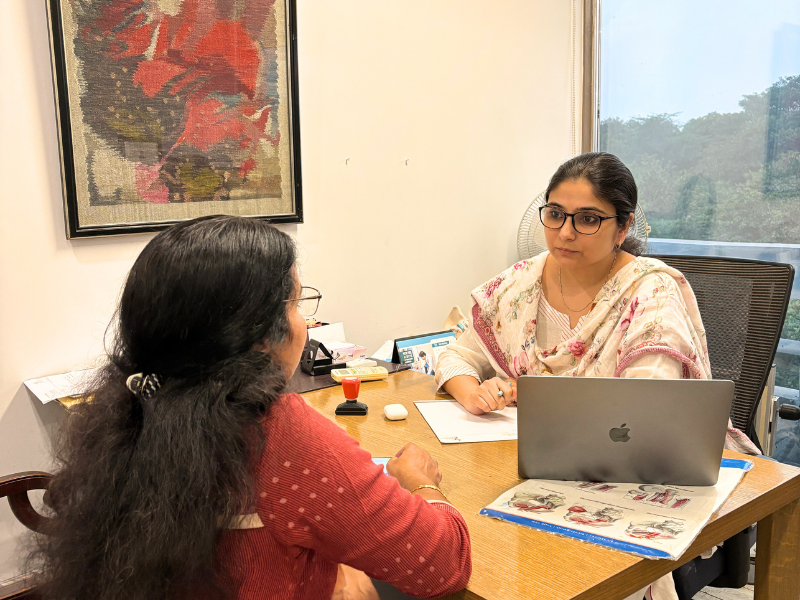
Women often put their health last—juggling family, work, and responsibilities—while quietly living with discomfort that shouldn’t be ignored. Many gynecological problems start with mild symptoms but can worsen if left untreated. Understanding what’s normal, what’s not, and when to see a gynecologist can prevent complications and protect long-term reproductive health.
This guide highlights common gynecological issues women tend to ignore, their warning signs, and the right time to seek medical care.
Why Women Delay Gynecological Care
Some of the most common reasons women postpone visits include:
- Assuming symptoms are “normal”
- Hesitation or embarrassment
- Fear of diagnosis or treatment
- Busy schedules and family priorities
Ignoring symptoms may provide temporary relief from worry—but it can allow underlying conditions to progress.
1. Irregular or Painful Periods
Occasional changes in the menstrual cycle can happen due to stress or lifestyle. However, persistent irregularity or severe pain is not normal.
Warning Signs
- Periods that are consistently late or very frequent
- Heavy bleeding or clotting
- Severe cramps affecting daily activities
- Periods lasting more than 7 days
When to See a Doctor
If irregular or painful periods continue for more than two cycles, a medical evaluation is recommended to rule out hormonal imbalance, fibroids, or other conditions.

2. Pelvic Pain That Doesn’t Go Away
Pelvic pain is often ignored or mistaken for digestive discomfort. Chronic or recurring pain should never be overlooked.
Possible Causes
- Pelvic inflammatory disease (PID)
- Endometriosis
- Ovarian cysts
- Urinary or bowel-related issues
When to See a Doctor
If pelvic pain is persistent, severe, or worsens during periods or intercourse, timely consultation is essential.

3. Abnormal Vaginal Discharge or Itching
Changes in vaginal discharge are common—but unusual color, smell, or itching may indicate infection.
Warning Signs
- Thick, foul-smelling, or green/yellow discharge
- Persistent itching or burning
- Pain during urination or intercourse
When to See a Doctor
Prompt treatment helps prevent infections from spreading or recurring. Avoid self-medication, as it can worsen symptoms.
4. Urinary Problems in Women
Urinary issues are frequently dismissed as minor or age-related, especially after childbirth.
Common Symptoms
- Urine leakage while coughing or laughing
- Frequent urge to urinate
- Burning sensation during urination
- Difficulty controlling bladder movements
When to See a Doctor
Urinary symptoms may point to infections or pelvic floor disorders and should be evaluated early to prevent long-term discomfort.

5. Pain or Discomfort During Intercourse
Painful intercourse is not normal and should not be tolerated silently.
Possible Reasons
- Vaginal dryness
- Infections
- Hormonal changes
- Pelvic floor issues
When to See a Doctor
If pain occurs regularly during intimacy, medical guidance can identify the cause and help restore comfort and confidence.
6. Post-Menopausal Bleeding
Any bleeding after menopause is not normal and requires immediate attention.
When to See a Doctor
Even light spotting should be evaluated to rule out serious conditions.
Importance of Regular Gynecological Check-ups
Routine check-ups help in:
- Early detection of health issues
- Preventing complications
- Maintaining reproductive and hormonal health
- Addressing concerns before they become serious
Preventive care is often simpler and more effective than delayed treatment.
Why Timely Consultation Matters
Delaying gynecological care can lead to:
- Increased pain and complications
- Prolonged treatment
- Impact on fertility and quality of life
Listening to your body and seeking help early is a step toward better health—not weakness.
Gynecological Care at Sama Hospital
Sama Hospital offers comprehensive gynecological care focused on:
- Accurate diagnosis
- Respectful and confidential consultations
- Evidence-based treatment options
- Personalized care for women at every life stage
The emphasis is on patient comfort, safety, and ethical medical practice.
Frequently Asked Questions (FAQs)
Occasional changes may be normal, but persistent irregularity should be evaluated.
Mild discomfort can be normal, but severe or worsening pain is not.
Some symptoms may improve, but many conditions require medical attention to prevent recurrence.
Leave a Reply